

Ok, so boring as it may be, learning what is actually going on in your body will help you to understand the medications and how they will help to control your blood sugars. I promise to keep it as light as possible but I hope that it is informative!
Our bodies are made up of cells and all those cells need energy to get you out of bed, help you get to work, and get you through your day. The main source of energy comes from the carbohydrates that you eat. They turn into sugar and get absorbed from your stomach into your blood stream. It is insulin which gets that sugar into your cells to be used for energy. This keeps good balance and normal blood sugar levels
.
So let’s stop for a second and think about what happens when there is not enough insulin in your body. Without insulin that sugar stays stuck in your blood stream and the result are levels higher than normal.
Now if you read the previous blog you know there are 2 types of diabetes: 1 and 2. Type 1 is an autoimmune condition, which means that the body attacks and destroys its own cells. In this case, the cells targeted and destroyed are called Beta cells and they help to make up part of your Pancreas. When these cells are gone, blood sugar levels rise, usually over a period of time until the body begins to compensate and the child becomes sick. I will post a blog soon about the symptoms associated with high blood sugars and what most experience with their initial diagnosis.
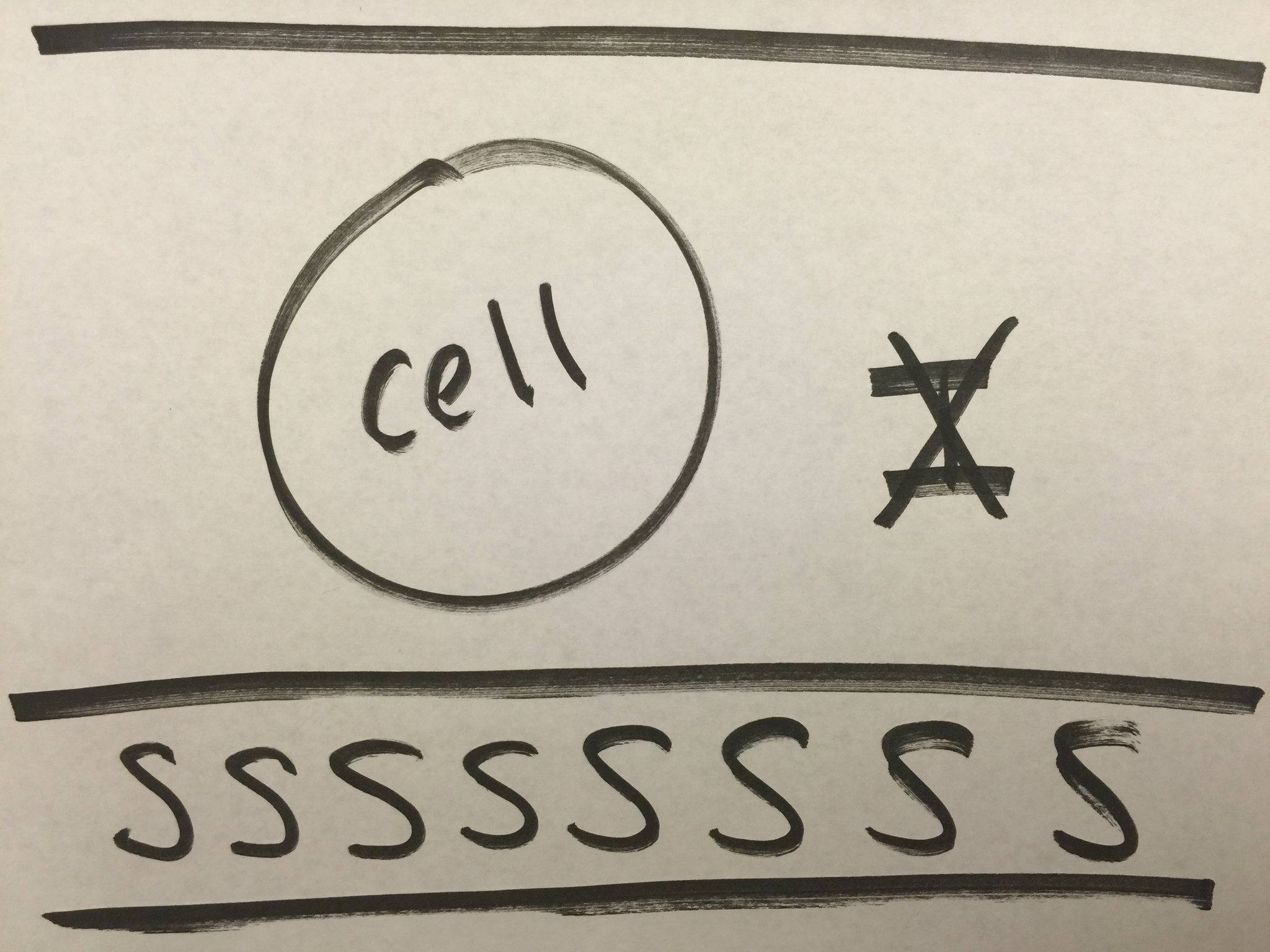
Type 2 is a different story. A person with Type 2 diabetes may have different initial causes of their high blood sugars. Often it is a resistance (think of a barrier around your cells) which prevents the insulin from getting the sugar inside. Again blood sugar levels will rise, but not as dramatically which is why someone with Type 2 might have higher than normal levels for many years prior to being diagnosed. There are also other factors at play in Type 2 diabetes. An important one to mention is your liver. The liver plays an important part in regulating blood sugar levels in the body. When our levels go to low the liver will help by releasing “back up” sugar. This is sugar the body has on reserve in case of emergencies. With Type 2 diabetes, the cells which have become resistant to insulin, are not getting the sugar that they need for energy. The liver is then tricked into thinking it needs to release the emergency sugar. Ironically, this adds to the problem of higher blood sugar levels.

That’s it!! Of course this was just a brief overview but here are some links if you want to read more:
P.S. your “just for today” challenge is to click on one of the 2 links above to learn a little bit more about your diabetes!
 A Simple Approach to Diabetes Education